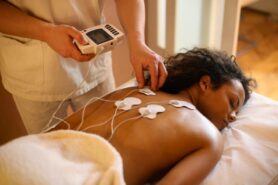
 Electrostimulation is a therapeutic technique used to ease pain, support muscle recovery, and improve comfort for clients managing a wide range of injuries and physical conditions. As part of the Advanced Massage Therapy program at The Praxis Institute, students learn to perform electrostimulation safely and effectively. With two campus locations near you in Miami and Hialeah, Florida, The Praxis Institute provides accessible, hands‑on education for individuals who want to build careers in massage therapy. Learn more about electric muscle stimulation therapy and its benefits.
Key Takeaways
- Electrostimulation uses controlled electrical impulses to help reduce pain, ease muscle tension, and support recovery.
- Advanced Massage therapy students at The Praxis Institute learn how to apply electrostimulation safely and appropriately as part of therapeutic care.
- Electrostimulation may benefit clients with back pain, arthritis, fibromyalgia, nerve irritation, and muscle weakness, depending on their condition.
What Is Electrostimulation Massage Therapy?
Electrostimulation massage therapy is a technique that uses controlled electrical pulses delivered through adhesive electrodes to stimulate targeted nerves and muscles. These electrical signals can be adjusted in strength and frequency, allowing trained massage therapists to reduce pain, ease tension, improve circulation, and support recovery from injury or inactivity.
Electrodes are placed in a crisscross pattern over the affected joint or muscle, usually at frequencies of 80 to 120 Hertz for acute pain and 2 to 10 Hertz for chronic pain. By pairing electrostimulation with massage techniques, they can enhance tissue response and help clients experience longer‑lasting relief from chronic discomfort, inflammation, or restricted mobility.
Electrostimulation Applications
In electrostimulation treatments, therapists commonly use either a Transcutaneous Electrical Nerve Stimulation (TENS) unit or an Electric Muscle Stimulation (EMS) machine, depending on the client’s needs and goals. A TENS unit sends gentle, low‑voltage currents to the nerves to help interrupt pain signals, making it ideal for managing chronic pain, nerve irritation, or inflammation. An EMS machine delivers stronger pulses that trigger muscle contractions, helping clients rebuild strength, improve mobility, and recover after injury or periods of inactivity.
What Types of Clients May Benefit from Electrostimulation?
Many patients benefit from electrostimulation therapy, including those with:
- Arthritis pain and other joint conditions: Clients with arthritis often experience stiffness, swelling, and chronic joint pain due to inflammation and cartilage breakdown. Electrostimulation helps by interrupting pain signals, reducing inflammation around affected joints, and improving circulation, making movement more comfortable during daily activities.
- Fibromyalgia: Individuals with fibromyalgia live with widespread muscle tenderness, nerve sensitivity, and chronic fatigue. Gentle electrical pulses delivered through a TENS unit can calm overactive nerves, reduce hypersensitivity, and provide non‑invasive pain relief without overloading already tender muscles.
- Back pain: Many clients experience back pain due to muscle strain, poor posture, disc issues, or nerve compression. Electrostimulation helps relax tight spinal muscles, increase blood flow, and reduce nerve irritation, thereby improving mobility.
- Inflamed nerves: Conditions such as sciatica, neuropathy, or nerve compression create sharp, radiating pain. TENS units can disrupt pain pathways and encourage healthy nerve communication.
- Spinal cord injuries and cancers: Clients recovering from spinal cord injuries or undergoing cancer treatment may experience severe pain. Controlled electrical impulses reduce discomfort, prevent muscle atrophy, and gently activate tissue.
- Muscle trauma and weakness: Muscle strain, tears, and post-surgical weakness limit strength and range of motion. EMS supports recovery by causing controlled muscle contractions that rebuild strength.
However, for patients with implanted electrical devices, osteomyelitis, epilepsy, and severe muscle spasticity, electrostimulation therapy is not recommended. Therapists must screen clients thoroughly before treatment to ensure electrostimulation is used safely and appropriately as part of a client’s therapeutic plan.
Why We Include Electrostimulation in the Advanced Massage Program
Electrostimulation is incorporated into The Praxis Institute’s Advanced Massage Therapy program to strengthen students’ ability to address pain, inflammation, and muscle dysfunction with modern therapeutic tools. In addition to electrostimulation, students receive comprehensive training in:
- Deep tissue massage
- Neuromuscular therapy
- Manual lymphatic drainage
- Ultrasound massage
- Laser therapy
This gives students experience with a broad range of techniques used in both clinical and rehabilitative settings. Our experienced instructors provide hands‑on practice with each modality, ensuring students develop confidence and competence while working with real clients. This advanced, skills‑focused approach prepares graduates to support individuals recovering from injuries, managing chronic conditions, or seeking therapeutic care to enhance mobility and overall well‑being.
Find Excellent Massage Therapy Training Near You in Miami, Florida
Training in advanced therapeutic techniques, including electric muscle stimulation, helps students build a strong foundation for long-term success in massage therapy. Graduates of The Praxis Institute are prepared for meaningful careers in clinical and healthcare settings, including rehabilitation centers, physical therapy offices, and chiropractic clinics.
Many also find rewarding opportunities in spas, fitness centers, and specialty offices where advanced therapeutic skills are highly valued. Our career services and financial aid for qualifying students help them find accessible education and build employer connections in the industry.
At The Praxis Institute, we have two campus locations near you in Miami and Hialeah, FL, where hands‑on training supports strong clinical skill development. We offer flexible start dates for adult learners balancing school and work. To learn more about electrostimulation therapy, contact us today.
FAQ About Electrostimulation Therapy
What does electrostimulation feel like during a session?
Most clients describe electrostimulation therapy as a gentle pulsing, tingling, or rhythmic tightening sensation in the targeted area. Therapists adjust the intensity to ensure the experience remains comfortable and controlled.
Can electrostimulation be combined with deep tissue or neuromuscular work?
Yes, electrostimulation therapy can be combined with deep tissue and neuromuscular work for better relief.
Can electrostimulation help after an injury?
Yes. In some cases, it may help reduce discomfort, support circulation, and encourage muscle activation during recovery from injury or inactivity.
Do massage therapy students learn when not to use electrostimulation?
Yes. Training should include contraindications and client screening so students understand when electrostimulation may not be appropriate or safe.
Where might massage therapists use electrostimulation skills in their careers?
These skills may be useful in clinical, rehabilitative, chiropractic, fitness, and other therapeutic care settings where clients need pain relief or muscle support.